
CARDIOLOGY AREA
SESSION 1
Rethinking Heart Diseases: A Retrospective Approach
- Chairperson: Prof. G. Haji
Opening and Introduction

Prof. R. Ferrari
Cardiovascular Continuum: Retrospective Insights and Future Directions
Prof. R. Ferrari
This session explores the cardiovascular continuum by starting at its end—heart failure (HF) and coronary heart disease (CHD)—and tracing back to the initial causes.
Will also consider how future strategies can shift cardiovascular care toward a more proactive and preventive approach.
Early Hypertension Management: Beyond Blood Pressure Control
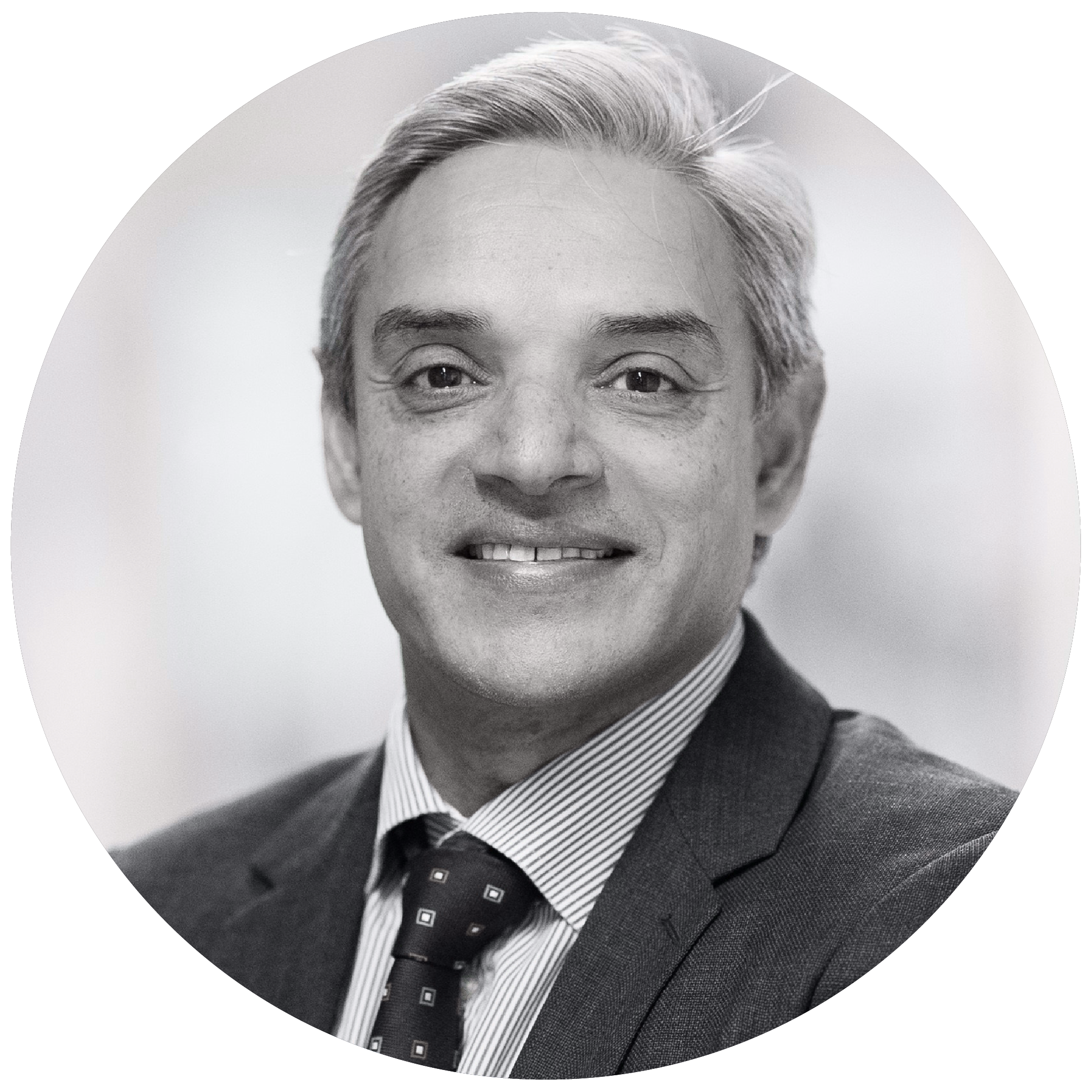
Prof. A. Pathak
Hypertension is a progressive disease, not just a blood pressure reading. It is increasingly prevalent among young and middle-aged adults, often undiagnosed or undertreated. The condition is driven by sympathetic overactivity, influenced by factors such as chronic stress, visceral obesity, smoking, and obstructive sleep apnea (OSA).
Early intervention is crucial to prevent vascular remodeling, organ damage, and cardiovascular events. We will explore together the strategies for early detection and management, aiming to halt disease progression and reduce long-term cardiovascular risk.
Heart Failure: Discussion on Management and Future Perspectives
Prof. A. Pathak

Dr. O. Okkeh

Prof. G. Haji
Prof. R. Ferrari
Heart failure (HF) remains a growing global challenge, driven by an aging population and increasing comorbidities. Despite available therapies, diagnosis is often delayed, particularly in early stages, limiting timely intervention and worsening outcomes.
This session explores current gaps in HF diagnosis rates and emphasizes the importance of early recognition. It will focus on the initiation and titration of the “Fantastic Four” therapies—ARNIs, beta-blockers, MRAs, and SGLT2 inhibitors—in HFrEF patients, highlighting their proven benefits in reducing mortality and hospitalizations.
The discussion aims to engage the audience in identifying barriers and strategies for better implementation of evidence-based treatments in everyday clinical practice.
SESSION 2
Exploring the Evolving Landscape of Chronic Coronary Syndrome Diagnosis and Treatment
- Chairperson: Prof. A. Pathak
Advanced Imaging Techniques for Cardiovascular Risk Assessment
Prof. A. Pathak
Cardiovascular disease continues to be a leading global health concern, highlighting the importance of accurate and early risk assessment. Advanced imaging techniques offer a more detailed view of the heart and blood vessels, helping to detect changes before symptoms appear.
This session will provide an overview of modern imaging tools such as coronary calcium scoring, CT angiography, cardiac MRI, and others. These technologies improve our ability to identify people at higher risk and support more personalized prevention and treatment strategies.
Chronic Coronary Syndrome: Risk Factors and Management Strategies
Prof. R. Ferrari
This session will examine the main risk factors for CCS, also will focus on the management strategies that are crucial for stabilizing the condition and preventing further deterioration, Beta-Blockers in Cardiovascular Therapy: Efficacy and Applications.
This session will provide an in-depth discussion on the clinical relevance of BBs in modern cardiovascular practice, offering insights on their application in the CV continuum. Additionally, we will discuss practical aspects such as which BB to choose, dosing, and how to ensure safe and effective treatment for individual patients.
Beta-Blockers in Cardiovascular Therapy: Efficacy and Application
Prof. A. Pathak
Dr. O. Okkeh
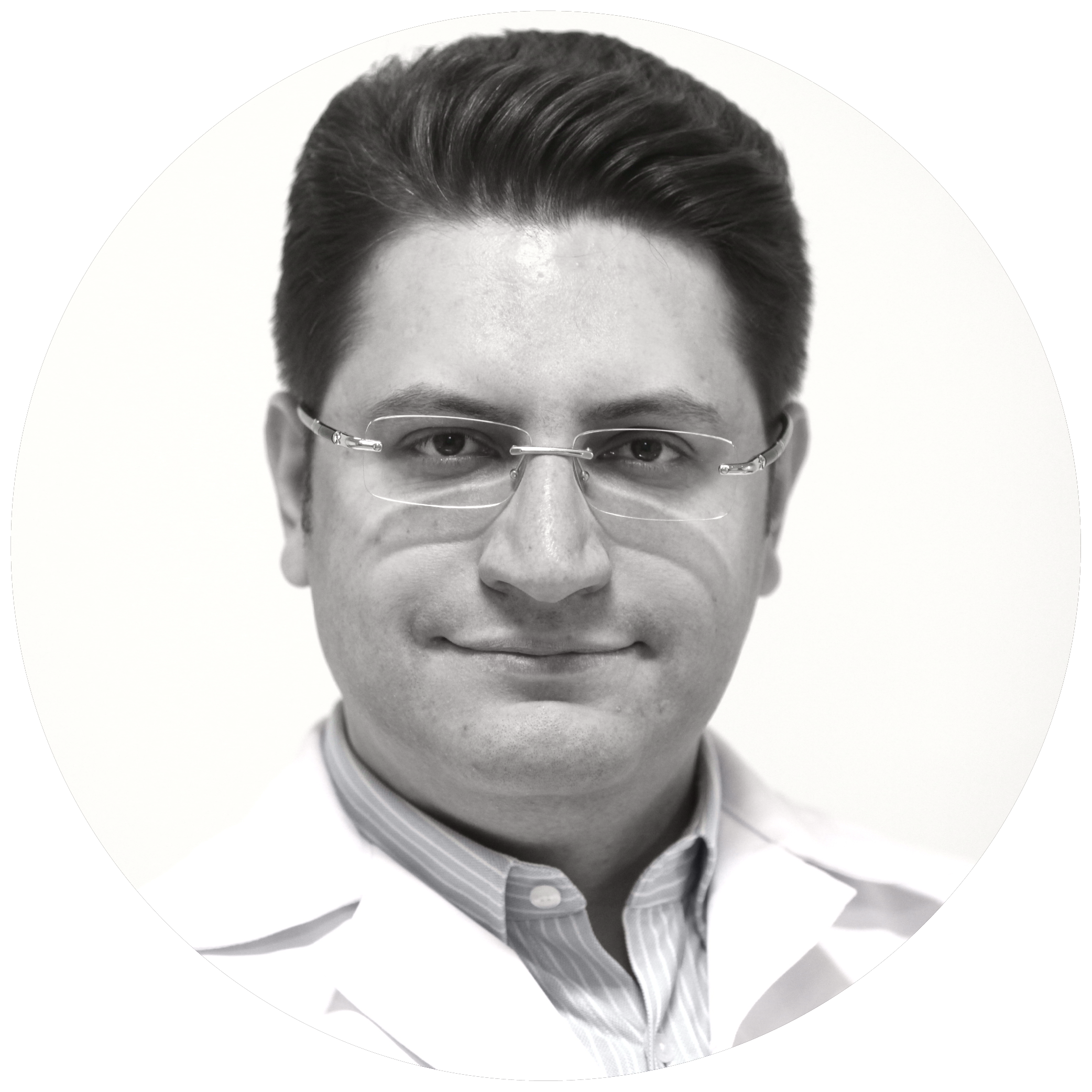
Dr. F. Masoudkabir
Prof. R. Ferrari
SESSION 3
Clinical Case Workshops in Cardiology
Chairperson:

Dr. C. E. Amadi
This session will examine the main risk factors for CCS, also will focus on the management strategies that are crucial for stabilizing the condition and preventing further deterioration, Beta-Blockers in Cardiovascular Therapy: Efficacy and Applications.
This session will provide an in-depth discussion on the clinical relevance of BBs in modern cardiovascular practice, offering insights on their application in the CV continuum. Additionally, we will discuss practical aspects such as which BB to choose, dosing, and how to ensure safe and effective treatment for individual patients.
Managing Heart Failure with Reduced Ejection Fraction: Clinical Insights
Prof. R. Ferrari
Hypertension and Atrial Fibrillation: Integrated Management Approach
Prof. A. Pathak
Closing